
If you are a renter or landlord in San Diego County, it is normal to have questions as emergency rent protections approach their end date. Starting November 15, 2026, the emergency 10% rent ceiling tied to Tropical Storm Rachel is scheduled to expire, and other rules will determine what increases are permitted. The key change is not that all rent increases become unrestricted: for covered homes, California’s Tenant Protection Act (TPA) generally sets an 8.2% limit for increases taking effect from August 1, 2026, through July 31, 2027.
What changes after November 14 in San Diego County?
The emergency rent ceiling under California Penal Code section 396(b), (d), (e), and (f) is scheduled to run through November 14, 2026, for San Diego County. Starting November 15, the 10% emergency rent limit will no longer apply under that declaration, unless officials extend the protections. The separate emergency protections for repair and reconstruction services under section 396(c) continue through April 13, 2027.
The emergency law also prohibited evicting a residential tenant so the landlord could re-rent the unit at a price that would have violated the emergency cap. That emergency-specific prohibition expires with the housing protections. However, it does not erase other tenant safeguards: where applicable, state and local just-cause rules still limit when and how a tenancy can be ended.
Check the latest Cal OES price-gouging page for any extension or updated end date. The state has extended these windows before, so confirm the current date before you rely on it. For context on the earlier emergency ceiling, you can also read our October 25, 2026, post about the San Diego County price-gouging rules.

What rent cap applies to covered homes starting November 15?
For covered rental homes, California’s TPA generally limits rent increases to 5% plus the local cost-of-living change, up to a 10% maximum. For increases taking effect in San Diego County from August 1, 2026, through July 31, 2027, the calculated cap is 8.2%. The California Attorney General’s rent-cap guide lists the current San Diego Area limit.
The cap generally applies to rental housing more than 15 years old. Covered housing includes many single-family homes and condos owned by corporations, qualifying mobilehomes rented from park management, and Section 8 voucher households. Exemptions include new construction within 15 years, qualifying owner-occupied single-family homes and condos with the required lease notice, deed-restricted affordable housing, and dormitories. If a property’s status is unclear, do not assume that the cap either applies or does not apply without checking the specific facts and required notices.
The 8.2% is a maximum, not an automatic rent increase. A lease, another applicable legal limit, or the details of the tenancy may mean a landlord can raise rent by less, or not at all at that time.
Can a landlord make up for an increase that was restricted during the emergency?
No. The TPA bases its cap on the lowest rent charged for the unit during the 12 months before the increase takes effect. A landlord cannot add a delayed “catch-up” amount to recover an increase that was not lawful during the emergency period.
For example, if the lowest rent charged for a covered unit during that 12-month period was $2,000, an 8.2% increase would equal $164, making $2,164 the maximum under that calculation. The actual permitted amount still depends on the property’s coverage, applicable increase history, and notice requirements. The state statute, Civil Code section 1947.12, explains the statewide formula.
How much notice must you receive before a rent increase?
California Civil Code section 827 generally requires a landlord to give written notice at least 30 days before an increase of 10% or less, and 90 days before an increase of more than 10%. The percentage is measured against the rent charged during the preceding 12 months. If the notice is mailed within California, add five calendar days. Review Civil Code section 827 for the statutory notice rules.
An increase’s notice period and its lawful amount are separate questions. Even when a proposed increase is within the 8.2% cap, the notice must provide the required lead time and identify when the new rent takes effect.
What local rules matter in San Diego County?
San Diego County has no separate countywide rent cap. The City of San Diego’s Residential Tenant Protection Ordinance addresses just-cause termination and relocation assistance in covered situations; it does not set rent amounts. You can review the City ordinance.
El Cajon has a different local rule for mobilehome space rent: Chapter 5.82 of its Municipal Code provides rent mediation for certain increases above the local CPI. It is not general rent control for apartments or single-family homes. Check the El Cajon Municipal Code and the rules for your specific park or property.
Andrew H. Griffin, III, is both an Attorney and a California-licensed Broker. That perspective can be useful when a property owner is comparing market rents with legal limits or considering a change to a rental property. Market conditions alone, however, do not override statutory caps, coverage rules, or notice requirements.
What should landlords do before raising rent?
Before preparing a rent increase, take these steps:
- Check coverage and exemptions. Confirm the property’s age, ownership, use, and any required exemption notice.
- Calculate from the lowest rent in the prior 12 months. Do not base the calculation only on the most recent rent payment.
- Review the full 12-month increase history. Include earlier increases when assessing the applicable cap and notice threshold.
- Choose the correct notice period. Apply the 30-day or 90-day requirement and add five calendar days when the notice is mailed within California.
- Document the math. Keep rent records and a written calculation supporting the proposed amount.
- State the effective date clearly. Put the date the new rent will begin on the written notice.
A careful review helps avoid disputes and protects both the owner’s decisions and the tenant’s ability to understand the change.
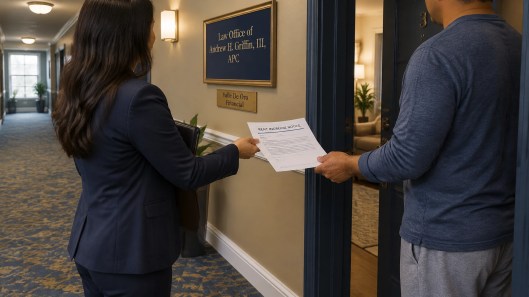
What can you do if your rent notice looks too high or too short?
If you receive a notice that seems to exceed the cap or provides too little time, it is understandable to feel worried. Save the notice and envelope, and gather your lease, rent receipts, prior increase notices, and any messages about the increase. Compare the proposed amount with the lowest rent charged in the prior 12 months, then check whether the notice states an effective date and gives the required notice period.
You can submit a price-gouging complaint to the California Attorney General or the San Diego County District Attorney’s Consumer Protection Unit. You can also contact the appropriate city office where the property is located; local services and procedures vary. Keep copies of all submissions and responses. If you receive an eviction notice or a demand to leave, take it seriously and get legal guidance promptly. An eviction attorney in San Diego can help you understand how rent disputes and applicable just-cause protections may affect your situation.
Violations of Penal Code section 396 can be prosecuted as misdemeanors, with penalties of up to one year in county jail and/or a fine of up to $10,000; unfair competition liability may also apply. Those emergency-law penalties concern conduct while the relevant protections are in effect. After the housing protections expire, other rent limits and tenant rights may still apply.
Notes for Business Owners: Does this apply to commercial rent?
The Tenant Protection Act’s residential rent cap does not cover commercial tenants. Commercial rent increases and commercial eviction rights generally depend on the lease and other laws that apply to the specific situation. Penal Code section 396’s emergency rent cap applied to housing, not commercial space. Commercial eviction guidance is available from the Law Office of Andrew H. Griffin, III, APC.
Where can you get help with a San Diego County rent dispute?
A rent increase can involve more than a percentage: the property’s exemption status, prior rent history, notice, and local protections all matter. The Law Office of Andrew H. Griffin, III, APC has served the San Diego community since 1983 and assists landlords and tenants with real estate and eviction matters. English- and Spanish-language assistance is available.
For guidance about a rent increase or possible eviction, call 619 853-3009, text 619 330-5456, or contact the Law Office of Andrew H. Griffin, III, APC.
