7 Mistakes San Diego County Landlords Make with No-Fault Evictions (And How to Fix Them)

Being a landlord in San Diego County has always been a bit of a balancing act. But as we move through 2026, it feels more like walking a tightrope over a pit of hungry litigation lawyers. Between the California Tenant Protection Act (AB 1482) and the more recent tightening of the screws via SB 567, the "No-Fault" eviction process has become a legal minefield.

One wrong step: a missing sentence in a notice or a miscalculated relocation payment: and your eviction isn't just delayed; it’s dead in the water, and you might be writing a check to your tenant for "wrongful eviction."

As both a real estate broker and an attorney, I see these mistakes from both sides of the fence. I understand the "street" reality of managing property and the "courtroom" reality of defending a landlord's rights. If you are struggling with a difficult tenancy or need to reclaim your property, you need a strategy that covers both bases.

Here are the seven most common (and expensive) mistakes San Diego County landlords are making right now with no-fault evictions and how you can avoid them.

1. Failing the ‘Owner Move-In’ Residency Rule (The 12-Month Trap)

It sounds simple: "I want to move back into my house, so the tenant has to leave." Under SB 567, which is now in full swing in 2026, the requirements for an owner move-in have become much stricter.

You, or your qualified family member (spouse, domestic partner, children, grandchildren, parents, or grandparents), must move into the unit within 90 days of the tenant vacating. But here is the kicker: you must live there as your primary residence for at least 12 consecutive months.

If you evict a tenant for an owner move-in and then put the property back on the rental market six months later because you "changed your mind," you are effectively handing that former tenant a golden ticket to sue you. In San Diego County, courts are looking closely at these timelines. If you don't stay for the full year, the law presumes the eviction was done in bad faith.

2. Ignoring the ‘Comparable Unit’ Rule

One of the newest hurdles introduced by SB 567 is the "Comparable Unit" requirement. If you own multiple units on the same property: say, a duplex or a house with an ADU: and one of those units is currently vacant and comparable to the one the tenant is in, you cannot evict the tenant for an owner move-in.

The law requires you to use the vacant unit first. You can’t pick and choose which tenant to displace if you have an empty spot that meets your needs. Many landlords in San Diego County are getting hit with "bad faith" claims because they tried to evict a long-term tenant with low rent to move in, while a similar unit sat empty or was recently renovated for a higher price.

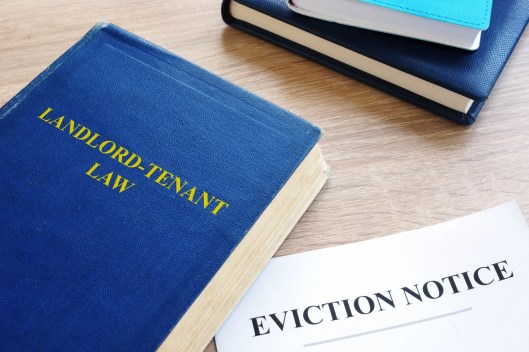
Tenant Eviction Checklist on Blue Desk

3. Using ‘Cosmetic’ Remodels as a Pretext

The "Renoviction" was a popular tactic for years, but the 2026 legal landscape has largely ended that. To evict a tenant for "substantial remodeling," the work must be truly substantial.

We aren't talking about a fresh coat of eggshell paint and some new vinyl plank flooring. To qualify as a no-fault "just cause" eviction, the remodel must:

  • Require the tenant to vacate for at least 30 days.
  • Involve the replacement or substantial modification of structural, electrical, plumbing, or mechanical systems.
  • Require a permit from San Diego County or your specific city building department.

If you serve a notice for a remodel and the tenant finds out you only spent three days swapping out a bathroom vanity, you could be liable for statutory damages. Always keep your permits and contractor contracts ready as evidence.

4. Botching Relocation Assistance (The 15-Day Deadline)

In a no-fault eviction, you owe the tenant relocation assistance. This is usually equal to one month of the tenant's rent. You have two choices: pay them directly or waive the final month of rent in writing.

The mistake? Timing. Under California law, if you choose to pay the tenant, you must provide that payment within 15 days of serving the notice to terminate the tenancy. If you miss that window, the entire notice is void. I’ve seen San Diego County landlords lose months of progress because they waited until the tenant moved out to hand over the check.

Pro-tip: If you choose to waive the rent instead of paying cash, make sure that waiver is clearly stated in the termination notice itself.

Notes for Business Owners:
If you own your rental property under an LLC or a corporation, the rules for "Owner Move-In" are even more complex. Generally, an entity cannot "move in" to a residential unit. If you are a business owner looking to reposition your real estate portfolio, consulting with a bankruptcy attorney or a real estate specialist is vital to ensure your corporate structure doesn't accidentally strip away your landlord rights.

5. Forgetting the New 10-Day Response Window for Tenants

In 2026, the "wait and see" approach doesn't work. New procedural updates give tenants a specific window to respond to no-fault notices before an Unlawful Detainer can even be filed.

If a tenant disputes the "just cause" (for example, they claim your remodel isn't substantial enough), you need to be prepared to engage or provide further documentation immediately. Ignoring a tenant's formal response to your notice can lead to a judge tossing your case before you even get to a hearing. San Diego County courts are currently backlogged, and the last thing you want is to wait three months for a court date only to have it dismissed on a technicality.

Legal documents and an hourglass on a desk symbolizing eviction response deadlines in San Diego County.
6. Missing Mandatory SB 567 Disclosure Language

You can't just write "I need the house back" on a piece of paper and call it a day. The law now requires very specific "magic words" to be included in your termination notice.

SB 567 requires landlords to include specific language informing the tenant of their rights, the reason for the eviction, and the details regarding relocation assistance. If you are using a generic eviction form you found online in 2019, you are almost certainly missing the mandatory 2026 disclosures.

Missing this language makes the notice legally defective. In the eyes of a San Diego County judge, a defective notice is as good as no notice at all.

7. Retaliatory Rent Hikes to Bypass Just Cause

Some landlords try to be "clever." Instead of going through the no-fault eviction process, they simply raise the rent by 20% or 30%, hoping the tenant will just leave on their own.

In San Diego County, this is a dangerous game. If your property is subject to AB 1482, your rent increases are capped (usually 5% + CPI, not to exceed 10%). Even if your property is exempt, a massive rent hike immediately following a tenant's request for repairs or right before you want to sell can be flagged as "constructive eviction" or "retaliation."

If the court determines you raised the rent specifically to circumvent "Just Cause" eviction protections, you could be hit with heavy fines and be forced to let the tenant stay at the original rate.

Eviction Enforcement

How to Fix These Mistakes Before They Cost You

The common thread in all these mistakes is a lack of updated information. The laws in San Diego County change fast, and the 2026 standards are the strictest we’ve ever seen.

If you are a landlord and you’re feeling overwhelmed, you aren't alone. That’s exactly why I created a comprehensive resource for property owners. You can check out my Teachable course, 'The Eviction Process in California,' which breaks down the step-by-step requirements for both "At-Fault" and "No-Fault" evictions. It’s designed to help you avoid the pitfalls that lead to expensive lawsuits.

Why You Need a Broker-Attorney on Your Side

When you’re dealing with high-stakes real estate in San Diego County, you don’t just need a lawyer who knows the law; you need someone who understands the market. As a real estate broker and attorney, I can help you evaluate whether a no-fault eviction is your best move, or if there is a better real estate strategy (like a "Cash for Keys" agreement or a strategic sale) that gets you to your goal faster and with less risk.

Additionally, if your tenant issues are complicated by their own financial distress, my background as a bankruptcy attorney allows me to navigate the "automatic stay" and other hurdles that often stall evictions in federal court.

Contact the Law Office of Andrew H. Griffin, III, APC Today

Don't wait until you get a court summons to get professional help. Whether you are drafting your first notice or you’re already in the middle of a dispute, we can help you navigate the complexities of SB 567 and San Diego County local ordinances.

Reach out to us today:

Let’s get your property back on track: the right way.

Eviction Word Cloud

7 Mistakes San Diego County Landlords Make with No-Fault Evictions (And How to Fix Them)

Being a landlord in San Diego County has always been a bit of a balancing act. But as we move through 2026, it feels more like walking a tightrope over a pit of hungry litigation lawyers. Between the California Tenant Protection Act (AB 1482) and the more recent tightening of the screws via SB 567, the "No-Fault" eviction process has become a legal minefield.

One wrong step: a missing sentence in a notice or a miscalculated relocation payment: and your eviction isn't just delayed; it’s dead in the water, and you might be writing a check to your tenant for "wrongful eviction."

As both a real estate broker and an attorney, I see these mistakes from both sides of the fence. I understand the "street" reality of managing property and the "courtroom" reality of defending a landlord's rights. If you are struggling with a difficult tenancy or need to reclaim your property, you need a strategy that covers both bases.

Here are the seven most common (and expensive) mistakes San Diego County landlords are making right now with no-fault evictions and how you can avoid them.

1. Failing the ‘Owner Move-In’ Residency Rule (The 12-Month Trap)

It sounds simple: "I want to move back into my house, so the tenant has to leave." Under SB 567, which is now in full swing in 2026, the requirements for an owner move-in have become much stricter.

You, or your qualified family member (spouse, domestic partner, children, grandchildren, parents, or grandparents), must move into the unit within 90 days of the tenant vacating. But here is the kicker: you must live there as your primary residence for at least 12 consecutive months.

If you evict a tenant for an owner move-in and then put the property back on the rental market six months later because you "changed your mind," you are effectively handing that former tenant a golden ticket to sue you. In San Diego County, courts are looking closely at these timelines. If you don't stay for the full year, the law presumes the eviction was done in bad faith.

2. Ignoring the ‘Comparable Unit’ Rule

One of the newest hurdles introduced by SB 567 is the "Comparable Unit" requirement. If you own multiple units on the same property: say, a duplex or a house with an ADU: and one of those units is currently vacant and comparable to the one the tenant is in, you cannot evict the tenant for an owner move-in.

The law requires you to use the vacant unit first. You can’t pick and choose which tenant to displace if you have an empty spot that meets your needs. Many landlords in San Diego County are getting hit with "bad faith" claims because they tried to evict a long-term tenant with low rent to move in, while a similar unit sat empty or was recently renovated for a higher price.

Tenant Eviction Checklist on Blue Desk

3. Using ‘Cosmetic’ Remodels as a Pretext

The "Renoviction" was a popular tactic for years, but the 2026 legal landscape has largely ended that. To evict a tenant for "substantial remodeling," the work must be truly substantial.

We aren't talking about a fresh coat of eggshell paint and some new vinyl plank flooring. To qualify as a no-fault "just cause" eviction, the remodel must:

  • Require the tenant to vacate for at least 30 days.
  • Involve the replacement or substantial modification of structural, electrical, plumbing, or mechanical systems.
  • Require a permit from San Diego County or your specific city building department.

If you serve a notice for a remodel and the tenant finds out you only spent three days swapping out a bathroom vanity, you could be liable for statutory damages. Always keep your permits and contractor contracts ready as evidence.

4. Botching Relocation Assistance (The 15-Day Deadline)

In a no-fault eviction, you owe the tenant relocation assistance. This is usually equal to one month of the tenant's rent. You have two choices: pay them directly or waive the final month of rent in writing.

The mistake? Timing. Under California law, if you choose to pay the tenant, you must provide that payment within 15 days of serving the notice to terminate the tenancy. If you miss that window, the entire notice is void. I’ve seen San Diego County landlords lose months of progress because they waited until the tenant moved out to hand over the check.

Pro-tip: If you choose to waive the rent instead of paying cash, make sure that waiver is clearly stated in the termination notice itself.

Notes for Business Owners:
If you own your rental property under an LLC or a corporation, the rules for "Owner Move-In" are even more complex. Generally, an entity cannot "move in" to a residential unit. If you are a business owner looking to reposition your real estate portfolio, consulting with a bankruptcy attorney or a real estate specialist is vital to ensure your corporate structure doesn't accidentally strip away your landlord rights.

5. Forgetting the New 10-Day Response Window for Tenants

In 2026, the "wait and see" approach doesn't work. New procedural updates give tenants a specific window to respond to no-fault notices before an Unlawful Detainer can even be filed.

If a tenant disputes the "just cause" (for example, they claim your remodel isn't substantial enough), you need to be prepared to engage or provide further documentation immediately. Ignoring a tenant's formal response to your notice can lead to a judge tossing your case before you even get to a hearing. San Diego County courts are currently backlogged, and the last thing you want is to wait three months for a court date only to have it dismissed on a technicality.

Legal documents and an hourglass on a desk symbolizing eviction response deadlines in San Diego County.
6. Missing Mandatory SB 567 Disclosure Language

You can't just write "I need the house back" on a piece of paper and call it a day. The law now requires very specific "magic words" to be included in your termination notice.

SB 567 requires landlords to include specific language informing the tenant of their rights, the reason for the eviction, and the details regarding relocation assistance. If you are using a generic eviction form you found online in 2019, you are almost certainly missing the mandatory 2026 disclosures.

Missing this language makes the notice legally defective. In the eyes of a San Diego County judge, a defective notice is as good as no notice at all.

7. Retaliatory Rent Hikes to Bypass Just Cause

Some landlords try to be "clever." Instead of going through the no-fault eviction process, they simply raise the rent by 20% or 30%, hoping the tenant will just leave on their own.

In San Diego County, this is a dangerous game. If your property is subject to AB 1482, your rent increases are capped (usually 5% + CPI, not to exceed 10%). Even if your property is exempt, a massive rent hike immediately following a tenant's request for repairs or right before you want to sell can be flagged as "constructive eviction" or "retaliation."

If the court determines you raised the rent specifically to circumvent "Just Cause" eviction protections, you could be hit with heavy fines and be forced to let the tenant stay at the original rate.

Eviction Enforcement

How to Fix These Mistakes Before They Cost You

The common thread in all these mistakes is a lack of updated information. The laws in San Diego County change fast, and the 2026 standards are the strictest we’ve ever seen.

If you are a landlord and you’re feeling overwhelmed, you aren't alone. That’s exactly why I created a comprehensive resource for property owners. You can check out my Teachable course, 'The Eviction Process in California,' which breaks down the step-by-step requirements for both "At-Fault" and "No-Fault" evictions. It’s designed to help you avoid the pitfalls that lead to expensive lawsuits.

Why You Need a Broker-Attorney on Your Side

When you’re dealing with high-stakes real estate in San Diego County, you don’t just need a lawyer who knows the law; you need someone who understands the market. As a real estate broker and attorney, I can help you evaluate whether a no-fault eviction is your best move, or if there is a better real estate strategy (like a "Cash for Keys" agreement or a strategic sale) that gets you to your goal faster and with less risk.

Additionally, if your tenant issues are complicated by their own financial distress, my background as a bankruptcy attorney allows me to navigate the "automatic stay" and other hurdles that often stall evictions in federal court.

Contact the Law Office of Andrew H. Griffin, III, APC Today

Don't wait until you get a court summons to get professional help. Whether you are drafting your first notice or you’re already in the middle of a dispute, we can help you navigate the complexities of SB 567 and San Diego County local ordinances.

Reach out to us today:

Let’s get your property back on track: the right way.

Eviction Word Cloud

Surviving the 2026 Foreclosure Cliff: Why San Diego County Homeowners Need a Broker-Attorney Now

If you feel like the ground is shifting beneath your San Diego County home, you aren’t imagining it. As we move through 2026, the "Foreclosure Cliff" has transitioned from a warning to a reality. Recent data shows a staggering 32% surge in foreclosure filings nationwide this year, and unfortunately, California remains a frontrunner for foreclosure starts.

For many homeowners in San Diego County, the dream of homeownership is currently being squeezed by a "perfect storm" of economic pressures. Rising homeowner’s insurance premiums, stubbornly high interest rates, and the final expiration of pandemic-era forbearance programs have created a scenario where even hardworking families are finding themselves one or two payments behind.

But here is the good news: standing on the edge of a cliff doesn't mean you have to fall. Whether you want to save your home through legal protections or execute a strategic exit that preserves your credit and your sanity, you need more than just a lawyer. You need a dual-threat strategist.

What is causing the 2026 Foreclosure Cliff in San Diego County?

You might be wondering how we got here. For a few years, equity was soaring and foreclosures were at historic lows. However, the landscape has changed. Several factors are driving this 2026 surge:

  • The Insurance Squeeze: Homeowner’s insurance in California has become a major line item in monthly budgets. As providers pull out of the state or hike rates, many San Diego County residents are seeing their escrow payments jump by hundreds of dollars.
  • The Interest Rate Hangover: Those who took out adjustable-rate mortgages or HELOCs a few years ago are now seeing those rates reset at much higher levels, making previous monthly payments a thing of the past.
  • End of Forbearance Protections: The last of the COVID-19 era safety nets have been pulled back. Lenders are no longer required to be patient, and they are moving quickly to reclaim properties.

If you are facing these challenges, it is normal to feel a sense of dread. However, the most dangerous thing you can do right now is wait. In San Diego County, the foreclosure process moves with cold, bureaucratic efficiency. To fight back, you need to understand the tools at your disposal.

A concerned couple reviews financial documents and calculates expenses, representing clients facing bankruptcy or financial distress.

How can the $743,459 Homestead Exemption protect you?

One of the most powerful shields available to you is the California Homestead Exemption. For 2026, in San Diego County, this exemption can protect up to $743,459 of your home's equity from creditors.

Many people believe that filing for bankruptcy means losing your house. In reality, if your home equity falls within this limit, a bankruptcy attorney can often help you keep your home while discharging the unsecured debts (like credit cards or medical bills) that are making it hard to pay your mortgage.

However, accurately valuing your home is the "make or break" part of this strategy. This is where the dual expertise of Andrew Griffin comes into play. As both a seasoned bankruptcy attorney and a licensed real estate broker, Andrew doesn't just look at your home as a legal asset: he understands its market value. If your valuation is off, you risk exposing equity to creditors. Having a broker-attorney means your "shield" is built on real-world market data, not just a guess.

Why is a Broker-Attorney better than a standard lawyer?

Most people facing foreclosure think they have two separate problems: a legal problem and a real estate problem. They hire an attorney to stop the sale and a realtor to sell the house.

When you work with the Law Office of Andrew H. Griffin, III, APC, you get a unified strategy. Here is why that matters:

  1. Valuation Precision: A standard bankruptcy attorney relies on automated valuation models or third-party appraisals that might not reflect the nuances of the San Diego County market. As a broker, Andrew knows exactly what your home is worth today.
  2. Negotiation Leverage: Lenders take you more seriously when your representative knows the law and the market. We can speak their language on both fronts.
  3. Seamless Pivoting: If we start with a foreclosure defense strategy but realize that a strategic sale is actually in your best financial interest, we don't have to "hand you off" to someone else. We can pivot immediately, listing the home and managing the legal side of the sale simultaneously.

San Diego County broker-attorney reviewing real estate maps and legal documents to help homeowners avoid foreclosure.

Should you file for Chapter 13 Bankruptcy to stop foreclosure?

If your goal is to stay in your home, Chapter 13 bankruptcy is often the most effective tool. The moment your bankruptcy attorney files the petition, an "Automatic Stay" goes into effect. This legally prohibits the bank from continuing the foreclosure process.

Chapter 13 allows you to:

  • Catch up on arrears: You can take your missed payments and spread them out over a three-to-five-year repayment plan.
  • Stop the clock: It gives you the breathing room to reorganize your finances without the constant threat of a "Notice of Sale."
  • Protect your assets: While you pay back the past-due mortgage amounts, you keep the title and possession of your home.

If you are feeling the pressure of a pending sale date, contact us immediately at 619 853-3009 or through our contact page. Time is the one thing you cannot buy back once the gavel falls.

When is a strategic sale the better option?

Sometimes, the "Foreclosure Cliff" is simply too steep to climb back up. If your mortgage is underwater or if the monthly payments are simply unsustainable even with a debt reorganization, a strategic sale might be the best way to save your credit and walk away with cash in your pocket.

Because Andrew Griffin is a licensed real estate broker, he can manage this process from start to finish. We can help you:

  • Market the property effectively to get the highest possible price.
  • Negotiate with the lender to accept the sale proceeds.
  • Ensure the legal transfer of title is handled correctly so you aren't haunted by "zombie debt" later.

Selling a home in distress is not the same as a standard residential sale. It requires a level of legal oversight to ensure that the bank doesn't try to pursue you for a deficiency judgment after the fact.

Notes for Business Owners

If you own a business in San Diego County and your personal residence is tied to your business's financial health, the stakes are even higher. A foreclosure can trigger defaults on business loans or impact your ability to maintain commercial leases. We can look at how a Chapter 11 or specialized Chapter 13 filing can protect both your family home and your professional livelihood.

How to navigate the "Notice of Default"

If you have received a Notice of Default (NOD) in the mail, the clock is officially ticking. In California, you typically have 90 days from the NOD before a Notice of Sale is recorded.

A white paper with bold red and black 'EVICTION NOTICE' lettering is taped to a residential home’s door or window, symbolizing the beginning of the California eviction process.

Many homeowners freeze during this period, hoping for a miracle. In reality, the "miracle" is usually a well-executed legal strategy. During these 90 days, a bankruptcy attorney can review your finances to see if you qualify for a Chapter 7 to wipe out debt or a Chapter 13 to save the home.

Don't wait until there is an eviction notice on your door. You have rights, but those rights have expiration dates.

Your San Diego County guide through the storm

Since 1983, the Law Office of Andrew H. Griffin, III, APC has been helping residents of San Diego County navigate their toughest financial moments. We aren't just a law firm; we are a local institution dedicated to keeping families in their homes and protecting the equity they’ve worked a lifetime to build.

The 2026 Foreclosure Cliff is intimidating, but you don't have to face it alone. Whether you need a bankruptcy attorney to stop a sale or a broker to help you transition to your next chapter, we have the dual expertise to guide you.

Split image featuring the San Diego coastline at sunset and white courthouse columns, symbolizing local community roots and legal expertise.

Don't let the cliff claim your home. Take control of your financial future today.

Contact the Law Office of Andrew H. Griffin, III, APC for a consultation. We can discuss your options, from the $743,459 homestead exemption to strategic real estate solutions.

Phone: 619 853-3009
Online: Book Your Consultation Here
Learn More: Explore Our Practice Areas

The $743,459 Shield: Protecting Your Home with a San Diego County Bankruptcy Attorney in 2026

If you are a homeowner in San Diego County, your house is likely your most valuable asset. But as we move through 2026, many families are finding themselves squeezed between rising living costs and mounting consumer debt. You might be lying awake at night wondering if the equity you’ve worked so hard to build could be snatched away by creditors or a sudden financial setback.

There is good news that many people in our community don’t realize yet. In 2026, the California Homestead Exemption has been adjusted for inflation to a staggering $743,459. This isn’t just a number on a legal document; it is a powerful shield designed to keep you in your home even when you are facing the toughest financial challenges of your life.

When you work with an experienced bankruptcy attorney in California you aren't just filing paperwork. You are deploying a massive legal defense to ensure your family keeps its roof while you reset your financial future.

How does the $743,459 Homestead Exemption protect you?

The Homestead Exemption is a law that protects a specific amount of equity in your primary residence from being used to pay off creditors during a bankruptcy. In 2026, this limit has reached $743,459 in San Diego County, making it one of the strongest protections for homeowners in the entire United States. If your home equity is below this amount, a bankruptcy trustee generally cannot sell your home to pay back your credit cards, medical bills, or personal loans.

In reality, many people believe that filing for bankruptcy means losing everything, including the family home. This is a common misconception that keeps people trapped in debt for years longer than necessary. Because California’s exemption is now tied to inflation, it actually grows to meet the reality of the San Diego County real estate market. This means you can seek the debt relief you need without the fear of an eviction notice following your filing.Protecting home equity in 2026 with the $743,459 shield and a bankruptcy attorney in San Diego County.

Why do you need a bankruptcy attorney with real estate expertise?

Navigating the intersection of bankruptcy law and real estate is complex. This is where the unique background of Andrew Griffin provides a significant advantage. Andrew is not only a seasoned bankruptcy attorney, but he is also a licensed California real estate broker.

Why does this dual expertise matter to you? In a bankruptcy case, the valuation of your home is everything. If a lawyer uses a generic online estimate that overvalues your property, you could risk looking like you have "too much" equity, which complicates your case. Conversely, an undervalued home can raise red flags with the court. Andrew Griffin understands the nuances of the local market from Oceanside to Chula Vista. He knows how to accurately value a property to ensure your $743,459 shield is positioned perfectly to protect your interests.

You can learn more about how this dual expertise works in our firm overview.

Can you keep your home in Chapter 7 or Chapter 13?

Whether you are looking at Chapter 7 or Chapter 13, the goal is often the same: keeping your home. The way the $743,459 shield works depends on which path you choose.

In a Chapter 7 bankruptcy, often called a "liquidation," the court looks at your assets to see if anything can be sold to pay creditors. Because the 2026 homestead exemption is so high, most San Diego County homeowners find that their equity is completely exempt. This allows you to wipe out your qualifying debt and walk away with your home intact.

In a Chapter 13 bankruptcy, you enter into a three-to-five-year repayment plan. This is often the preferred route if you have fallen behind on your mortgage payments and want to catch up without the threat of foreclosure. The homestead exemption still plays a vital role here, as it helps determine how much you might have to pay back to unsecured creditors. Having an experienced bankruptcy attorney ensures your plan is sustainable and your home remains secure.

https://www.andrewgriffinlawoffice.com/practice-areas/bankruptcy/foreclosure-defense

Is your home equity actually at risk?

Many residents in San Diego County are "equity rich but cash poor." You might have $400,000 in home equity but find yourself struggling to pay a $25,000 credit card balance because of high interest rates. If a creditor sues you and wins a judgment, they could potentially place a lien on your house.

By proactively consulting a bankruptcy attorney, you can use the $743,459 shield to stop these creditors in their tracks. Filing for bankruptcy triggers an "automatic stay," which is a legal injunction that immediately stops most collection actions, including lawsuits, wage garnishments, and even foreclosure sales. It gives you the breathing room to evaluate your assets and use the law to protect what is yours.

San Diego attorney Andrew Griffin, III

Common myths about protecting home equity in 2026

You may have heard rumors that make you hesitant to seek help. Let’s clear some of those up:

  • Myth: "I have to live in my house for 10 years to get the exemption."
    In reality: While there are residency requirements to use California's specific laws (usually living in the state for the two years prior to filing), you do not need decades of ownership to benefit from the $743,459 shield.
  • Myth: "If I file for bankruptcy, my credit is ruined forever and I'll never own a home again."
    In reality: Bankruptcy is a tool for recovery. Many people see their credit scores begin to rebound faster after filing than they would have by struggling with defaulted debt for years.
  • Myth: "The court will take my house if I have any equity at all."
    In reality: With the exemption at $743,459 for 2026, the vast majority of homeowners in San Diego County are fully protected.

Notes for Business Owners

If you own a small business in San Diego County and your home is also your primary residence, the $743,459 shield is your ultimate safety net. Often, business owners personal guarantee leases or loans. If the business struggles, creditors may come after your personal assets. Navigating real estate issues alongside a business bankruptcy requires a strategy that protects both your livelihood and your family's shelter. We can help you structure a plan that keeps your front door locked to creditors.

How to start protecting your San Diego County home today

The first step is always the hardest, but it is also the most important. You shouldn't have to guess whether your home is safe. You deserve a clear, professional assessment of your situation from a team that understands both the law and the local real estate market.

When you meet with the Law Office of Andrew H. Griffin, III, APC, we take a deep dive into your finances. We look at your current mortgage balance, the actual market value of your home, and your total debt load. From there, we map out a strategy that utilizes the 2026 homestead exemption to its fullest extent.

Courthouse columns representing legal stability

Steps you can take right now:

  1. Gather your documents: Find your latest mortgage statement and any recent property tax assessments.
  2. Estimate your equity: Subtract what you owe from what you think the house is worth.
  3. Stop the panic: Remember that the $743,459 shield exists specifically to help people in your situation.
  4. Consult an expert: Reach out to a bankruptcy attorney in San Diego County who understands the nuances of the 2026 laws.

Contact the Law Office of Andrew H. Griffin, III, APC

You don't have to face the threat of debt alone. Whether you are facing a potential foreclosure or just feel like you are drowning in high-interest payments, the Law Office of Andrew H. Griffin, III, APC is here to help you navigate the process with dignity and expertise.

We provide professional legal services throughout Southern California and our bilingual team is ready to assist you in English or Spanish. Let's put the $743,459 shield to work for you.

Contact us today to schedule your consultation:

Protecting your home is more than just a legal process; it's about protecting your family's future. Let's make sure your "shield" is ready for 2026.

The $743,459 Shield: Protecting Your Home with a San Diego County Bankruptcy Attorney in 2026

If you are a homeowner in San Diego County, your house is likely your most valuable asset. But as we move through 2026, many families are finding themselves squeezed between rising living costs and mounting consumer debt. You might be lying awake at night wondering if the equity you’ve worked so hard to build could be snatched away by creditors or a sudden financial setback.

There is good news that many people in our community don’t realize yet. In 2026, the California Homestead Exemption has been adjusted for inflation to a staggering $743,459. This isn’t just a number on a legal document; it is a powerful shield designed to keep you in your home even when you are facing the toughest financial challenges of your life.

When you work with an experienced bankruptcy attorney in California you aren't just filing paperwork. You are deploying a massive legal defense to ensure your family keeps its roof while you reset your financial future.

How does the $743,459 Homestead Exemption protect you?

The Homestead Exemption is a law that protects a specific amount of equity in your primary residence from being used to pay off creditors during a bankruptcy. In 2026, this limit has reached $743,459 in San Diego County, making it one of the strongest protections for homeowners in the entire United States. If your home equity is below this amount, a bankruptcy trustee generally cannot sell your home to pay back your credit cards, medical bills, or personal loans.

In reality, many people believe that filing for bankruptcy means losing everything, including the family home. This is a common misconception that keeps people trapped in debt for years longer than necessary. Because California’s exemption is now tied to inflation, it actually grows to meet the reality of the San Diego County real estate market. This means you can seek the debt relief you need without the fear of an eviction notice following your filing.Protecting home equity in 2026 with the $743,459 shield and a bankruptcy attorney in San Diego County.

Why do you need a bankruptcy attorney with real estate expertise?

Navigating the intersection of bankruptcy law and real estate is complex. This is where the unique background of Andrew Griffin provides a significant advantage. Andrew is not only a seasoned bankruptcy attorney, but he is also a licensed California real estate broker.

Why does this dual expertise matter to you? In a bankruptcy case, the valuation of your home is everything. If a lawyer uses a generic online estimate that overvalues your property, you could risk looking like you have "too much" equity, which complicates your case. Conversely, an undervalued home can raise red flags with the court. Andrew Griffin understands the nuances of the local market from Oceanside to Chula Vista. He knows how to accurately value a property to ensure your $743,459 shield is positioned perfectly to protect your interests.

You can learn more about how this dual expertise works in our firm overview.

Can you keep your home in Chapter 7 or Chapter 13?

Whether you are looking at Chapter 7 or Chapter 13, the goal is often the same: keeping your home. The way the $743,459 shield works depends on which path you choose.

In a Chapter 7 bankruptcy, often called a "liquidation," the court looks at your assets to see if anything can be sold to pay creditors. Because the 2026 homestead exemption is so high, most San Diego County homeowners find that their equity is completely exempt. This allows you to wipe out your qualifying debt and walk away with your home intact.

In a Chapter 13 bankruptcy, you enter into a three-to-five-year repayment plan. This is often the preferred route if you have fallen behind on your mortgage payments and want to catch up without the threat of foreclosure. The homestead exemption still plays a vital role here, as it helps determine how much you might have to pay back to unsecured creditors. Having an experienced bankruptcy attorney ensures your plan is sustainable and your home remains secure.

https://www.andrewgriffinlawoffice.com/practice-areas/bankruptcy/foreclosure-defense

Is your home equity actually at risk?

Many residents in San Diego County are "equity rich but cash poor." You might have $400,000 in home equity but find yourself struggling to pay a $25,000 credit card balance because of high interest rates. If a creditor sues you and wins a judgment, they could potentially place a lien on your house.

By proactively consulting a bankruptcy attorney, you can use the $743,459 shield to stop these creditors in their tracks. Filing for bankruptcy triggers an "automatic stay," which is a legal injunction that immediately stops most collection actions, including lawsuits, wage garnishments, and even foreclosure sales. It gives you the breathing room to evaluate your assets and use the law to protect what is yours.

San Diego attorney Andrew Griffin, III

Common myths about protecting home equity in 2026

You may have heard rumors that make you hesitant to seek help. Let’s clear some of those up:

  • Myth: "I have to live in my house for 10 years to get the exemption."
    In reality: While there are residency requirements to use California's specific laws (usually living in the state for the two years prior to filing), you do not need decades of ownership to benefit from the $743,459 shield.
  • Myth: "If I file for bankruptcy, my credit is ruined forever and I'll never own a home again."
    In reality: Bankruptcy is a tool for recovery. Many people see their credit scores begin to rebound faster after filing than they would have by struggling with defaulted debt for years.
  • Myth: "The court will take my house if I have any equity at all."
    In reality: With the exemption at $743,459 for 2026, the vast majority of homeowners in San Diego County are fully protected.

Notes for Business Owners

If you own a small business in San Diego County and your home is also your primary residence, the $743,459 shield is your ultimate safety net. Often, business owners personal guarantee leases or loans. If the business struggles, creditors may come after your personal assets. Navigating real estate issues alongside a business bankruptcy requires a strategy that protects both your livelihood and your family's shelter. We can help you structure a plan that keeps your front door locked to creditors.

How to start protecting your San Diego County home today

The first step is always the hardest, but it is also the most important. You shouldn't have to guess whether your home is safe. You deserve a clear, professional assessment of your situation from a team that understands both the law and the local real estate market.

When you meet with the Law Office of Andrew H. Griffin, III, APC, we take a deep dive into your finances. We look at your current mortgage balance, the actual market value of your home, and your total debt load. From there, we map out a strategy that utilizes the 2026 homestead exemption to its fullest extent.

Courthouse columns representing legal stability

Steps you can take right now:

  1. Gather your documents: Find your latest mortgage statement and any recent property tax assessments.
  2. Estimate your equity: Subtract what you owe from what you think the house is worth.
  3. Stop the panic: Remember that the $743,459 shield exists specifically to help people in your situation.
  4. Consult an expert: Reach out to a bankruptcy attorney in San Diego County who understands the nuances of the 2026 laws.

Contact the Law Office of Andrew H. Griffin, III, APC

You don't have to face the threat of debt alone. Whether you are facing a potential foreclosure or just feel like you are drowning in high-interest payments, the Law Office of Andrew H. Griffin, III, APC is here to help you navigate the process with dignity and expertise.

We provide professional legal services throughout Southern California and our bilingual team is ready to assist you in English or Spanish. Let's put the $743,459 shield to work for you.

Contact us today to schedule your consultation:

Protecting your home is more than just a legal process; it's about protecting your family's future. Let's make sure your "shield" is ready for 2026.

The Legal Side of “The AI Pivot” – How digital entrepreneurs can use legal transparency to actually boost their conversions.

So, you’ve decided to make the jump. It’s 2026, and if you aren’t pivoting your digital business toward AI-driven models, you’re basically trying to run a marathon in flip-flops. We’re seeing it everywhere from San Diego to El Cajon: entrepreneurs are replacing standard funnels with autonomous AI agents, LLM-powered customer support, and predictive sales bots. It’s "The AI Pivot," and it’s the biggest gold rush since, well, the last one.

But here’s the kicker, while you’re busy optimizing your prompts, the legal landscape has caught up. And if you’re treating 2026 like the "Wild West" of 2023, you’re headed for a cliff. At the Law Office of Andrew H. Griffin, III, APC, we’ve seen business cycles come and go for over 40 years. We know that the fastest way to lose everything you’ve built is to ignore the "boring" legal stuff.

The good news? If you play your cards right, legal transparency isn’t just a hoop to jump through, it’s actually your secret weapon to boost conversions.

What exactly is "The AI Pivot" in 2026?

In the last year, we’ve moved past simple "chatbots." The AI Pivot refers to digital entrepreneurs moving their entire operations to AI-driven models. This means:

  • AI Agents: Bots that don't just talk, but actually perform tasks like booking appointments, moving data, or even negotiating contracts.
  • Personalized Content at Scale: Using AI to generate thousands of landing pages or ads tailored to a single user's behavior.
  • Automated Decision-Making: Using algorithms to decide who gets a discount, who gets a loan, or who gets a high-tier membership.

It’s efficient, it’s scalable, and it’s a legal minefield. If you don't have a solid legal foundation, a single privacy breach or a "hallucinating" bot making false promises could leave you looking for a bankruptcy lawyer in San Diego faster than you can say "ChatGPT."

Why the "Trust Gap" is your biggest conversion killer

You might think that hiding the fact that your "Customer Success Manager, Sarah" is actually an AI agent will help you seem more human. In reality, it does the opposite.

By 2026, consumers have developed a "BS detector" for AI. They know when they’re talking to a machine. If you try to hide it and they find out later, that trust is gone forever. This is what we call the "Trust Gap." When users feel tricked, they don't buy; they bounce.

Worse yet, hiding your AI use is becoming illegal in many jurisdictions. Whether it’s new transparency laws in New York or strict international standards, being "sneaky" is no longer a viable business strategy.

The Law Offices of Andrew H. Griffin, III, APC logo and courthouse columns

Can legal transparency actually be a marketing tool?

Yes, absolutely. Imagine two companies.

  • Company A has a vague "Terms of Service" and a bot that pretends to be a person.
  • Company B has a clear disclosure: "Hey, I'm an AI agent trained to help you find the best real estate deals in San Diego. Here is how I use your data, and here is how you can talk to a human if you need to."

In 2026, Company B wins. Why? Because transparency builds authority. When you follow the latest AI disclosure laws, you aren't just staying out of trouble: you're signaling to your customers that you are a professional, high-level operation. You’re telling them that their data is safe and that you’ve done the work to ensure your AI isn’t biased or broken.

Your 2026 compliance checklist: How to stay legal and profitable

If you want to avoid the stress of searching for a bankruptcy attorney because of a massive class-action lawsuit, you need to bake compliance into your pivot from day one. Here are the keys:

1. Disclose your AI agents

Don't name your bot "Dave" and give it a stock photo of a guy in a suit. State clearly that the user is interacting with AI. Under many 2026 state laws, this isn't just a "nice to have": it’s mandatory.

2. Data Privacy (GDPR and State Laws)

If your AI is learning from your customers' data, you need to tell them. You need robust Data Processing Agreements (DPAs). If you’re a digital entrepreneur in San Diego, you’re bound by the latest California privacy updates, which are some of the toughest in the world.

3. The "Human in the Loop"

Never let an AI make a final decision that could legally bind your company without human oversight. Whether it’s a real estate contract or a refund policy, you need a "human-in-the-loop" to verify the output.

4. Audit for Bias

The 2026 legal standards require businesses to ensure their AI isn't discriminating based on protected classes. If your AI "decides" to stop showing ads to certain zip codes in El Cajon, you could be in hot water.

A San Diego workspace with AI data on a laptop and legal files for digital entrepreneurs to ensure compliance.

Notes for Business Owners: Avoiding the Financial Pitfall

When you pivot to a new technology, there is always financial risk. Many entrepreneurs over-leverage themselves to pay for expensive AI API credits and developers, only to realize they didn't account for the legal liabilities.

In reality, a solid legal setup is the best insurance policy for your business's bank account. If things do get tight, having a lawyer who understands both the digital space and financial restructuring is vital. We’ve helped countless businesses navigate these waters since 1983. If your business pivot has left you with more debt than revenue, don't wait until the doors close.

Text your way to debt relief. We are here to help you restructure before a "Bankruptcy Attorney" becomes your most-searched term.

Why an experienced hand matters in the age of AI

It’s easy to get caught up in the "newness" of AI. But the laws governing business, contracts, and liability haven't changed as much as you think: they’ve just evolved. This is where the broker-attorney advantage comes in.

Andrew H. Griffin, III isn’t just an attorney; he’s also a California-licensed real estate broker. Why does that matter for a digital entrepreneur? Because many AI pivots involve real estate tech, property management bots, or complex lease agreements. Having a legal guide who understands both the courtroom and the marketplace gives you a massive edge.

We’ve been serving Southern California for over 40 years. We’ve seen the rise of the internet, the mobile revolution, and now the AI pivot. We know how to build a legal foundation that lasts decades, not just until the next software update.

Professional headshot of attorney Andrew Griffin

Don't let your "Pivot" lead to a "Collapse"

Transitioning your business to AI is exciting, but don't let the tech blind you to the risks. Legal transparency isn't a burden; it's the bridge that allows your customers to trust you in a digital world that feels increasingly fake.

If you are a digital entrepreneur in California and you're worried about your liability: or if the costs of your pivot have put you in a financial bind: reach out. We offer bilingual services in English and Spanish, and we are available 24/7 via text.

Remember: A solid legal foundation prevents the need for a future Bankruptcy Attorney.

Ready to secure your business's future?

Don't wait for a subpoena or a collection notice to realize your AI agent overstepped its bounds. Let’s get your legal transparency in order so you can focus on what you do best: growing your business.

Whether you need help with bankruptcy, real estate, or just navigating the firm-overview of your new AI business model, we are here for you.

Serving the community since 1983. Let’s make your AI pivot a success story, not a cautionary tale.

A couple reviews financial documents at a table

7 Mistakes You’re Making with Your BK Filing

Deciding to file for bankruptcy is a major life step. It’s a tool designed to give you a fresh start, but the process is governed by strict federal laws and Local Bankruptcy Court rules. When you’re feeling the weight of mounting debt, it’s easy to make impulsive decisions that you think are helping your situation, but in reality, they could lead to your case being dismissed: or worse, accusations of fraud.

At the Law Office of Andrew H. Griffin, III, APC, we’ve been helping neighbors in Southern California navigate these waters since 1983. As both a licensed attorney and a California-licensed real estate broker, Andrew Griffin provides a unique "broker-attorney advantage" that is especially critical when your home or property is on the line.

If you’re feeling overwhelmed, remember: you don’t have to do this alone. You can text your way to debt relief by reaching out to us 24/7. But before you take another step, let’s look at the seven most common mistakes we see people make when preparing for a bankruptcy filing.

1. Are You Transferring Assets to Family or Friends?

It’s a common impulse. You know you’re going to file for bankruptcy, and you’re worried the court will take your car, your boat, or a piece of land you own. You decide to "sell" it to your brother for $1.00 or simply sign the title over to a friend "just until the bankruptcy is over."

In the legal world, this is known as a fraudulent transfer.

The bankruptcy trustee assigned to your case will look back at your financial history: often up to two years (and sometimes longer under California law). If they see you moved an asset out of your name for less than its fair market value, they have the power to "avoid" that transfer. This means they can actually sue your friend or family member to take the asset back. Instead of protecting the item, you’ve now dragged a loved one into a legal battle.

A concerned couple reviews financial documents and calculates expenses, representing clients facing bankruptcy or financial distress.

2. Are You Repaying Personal Loans to Family First?

You might feel a moral obligation to pay back your parents or a close friend before you stop paying the "big banks." While that sentiment is understandable, the court views it as a preferential payment.

Bankruptcy is built on the principle of fairness to all creditors. If you pay back $5,000 to your aunt right before filing, the trustee may view that as unfair to your other creditors. Much like asset transfers, the trustee can sue your relative to get that money back so it can be distributed "fairly." Always talk to a bankruptcy lawyer before making any large payments to anyone in the months leading up to your filing.

3. Are You Using Your Credit Cards Right Before Filing?

If you know you’re going to file for bankruptcy and wipe out your debt, it might be tempting to use your credit cards one last time for a vacation, a new TV, or even just to cover daily expenses. Don't do it.

Using credit cards when you have no intention or ability to pay the money back is considered fraudulent intent. Specifically, luxury purchases of more than $800 made within 90 days of filing, or cash advances totaling more than $1,100 within 70 days of filing, are presumed to be non-dischargeable. This means you’ll still owe that money even after your bankruptcy case is finished.

4. Are You Failing to Disclose All Your Assets?

When you fill out your bankruptcy petition, you are signing it under penalty of perjury. You must list everything you own. This includes:

  • Expected tax refunds.
  • Potential personal injury claims or lawsuits where you are the plaintiff.
  • Inheritances you might receive in the next six months.
  • Cryptocurrency or "hidden" digital assets.

Many people leave things off because they think the item is "worthless." However, it’s not up to you to determine the value: it’s up to the court. Hiding assets is a federal crime and is the fastest way to get your case dismissed and find yourself facing a bankruptcy attorney in San Diego in a much more stressful setting.

Split image featuring the San Diego coastline at sunset and white courthouse columns, symbolizing decades of legal expertise.

5. Are You Choosing the Wrong Chapter?

The choice between Chapter 7 and Chapter 13 is one of the most important decisions you’ll make.

  • Chapter 7 is a liquidation that wipes out most unsecured debt quickly.
  • Chapter 13 is a reorganization where you pay back a portion of your debt over 3 to 5 years.

Choosing the wrong one without a professional "Means Test" analysis can be disastrous. If you make too much money for a Chapter 7 but file anyway, the court will dismiss your case. Conversely, if you need to save your home from foreclosure, a Chapter 7 might not give you the time you need, whereas a Chapter 13 could be the perfect solution. As a bankruptcy attorney  in San Diego County, Andrew Griffin uses his 40+ years of experience to ensure you’re in the right lane from day one.

6. Are You Hiding Cash or "Under the Table" Income?

Whether it’s a side hustle, cash tips, or "under the table" work, all income must be reported. The bankruptcy trustee will compare your bank statements, tax returns, and pay stubs. If the numbers don’t add up: for instance, if your lifestyle expenses are way higher than your reported income: it will raise a red flag. Being honest about your income is the only way to ensure your debt relief goes through smoothly.

7. Are You Trying to DIY the Process?

Filing "pro se" (without an attorney) is extremely risky. The Southern District of California has very specific local rules, forms, and deadlines. One missed signature or a late filing of your credit counseling certificate can result in your case being closed without a discharge.

Furthermore, a "DIY" filing often fails to take full advantage of California’s generous bankruptcy exemptions. You could end up losing property that an experienced attorney could have helped you keep.

Person in a San Diego office using a smartphone to text a bankruptcy attorney for professional debt relief.
Text your way to debt relief by reaching out to our team 24/7.


Notes for Business Owners

If you are a business owner in Southern California considering bankruptcy, the stakes are even higher. Common mistakes include commingling personal and business funds right before filing or failing to properly value business inventory and equipment. Because Andrew Griffin is also a real estate broker, he can provide sophisticated valuations for commercial leases and business-owned real estate that a standard bankruptcy lawyer might overlook.


Why the Broker-Attorney Advantage Matters

When you file for bankruptcy in San Diego, your home is often your biggest asset and your biggest concern. Because Andrew H. Griffin, III is both an attorney and a real estate broker, he understands the market value of your property better than most. He can accurately apply exemptions to protect your equity and, if necessary, navigate complex foreclosure defense strategies that combine legal maneuvers with real estate expertise.

Get Started with a Trusted San Diego Bankruptcy Attorney

Mistakes in a bankruptcy filing stay on your record and can cost you thousands of dollars: or your home. Since 1983, our firm has provided bilingual (English and Spanish) legal services to the San Diego community, helping thousands of people find the financial peace of mind they deserve.

Don't let a simple mistake ruin your chance at a fresh start. Whether you’re dealing with divorce and debt, or simply fell behind due to medical bills or job loss, we are here to help.

Text your way to debt relief. We are accessible 24/7 via text to answer your urgent questions and get your case moving in the right direction.

Contact Us Today:

Professional headshot of attorney Andrew H. Griffin, III, reflecting trust and expertise.

Can I Keep My Car? Understanding 2026 Vehicle Exemptions with a San Diego BK Lawyer

For most residents in Southern California and San Diego, a car isn't a luxury: it’s a lifeline. Whether you’re commuting on the I-8 to work, dropping the kids off at school, or simply running errands, being without a vehicle in Southern California feels nearly impossible. If you are facing mounting debt and considering filing for Chapter 7, the fear of losing your transportation is likely one of your biggest concerns.

You might be asking yourself: "If I file for bankruptcy, will the court take my car?"

In reality, most people who file for bankruptcy in California are able to keep their primary vehicle. The key lies in understanding how to keep your car in Chapter 7 bankruptcy San Diego by leveraging the specific exemptions provided by state law. As we move through 2026, California’s exemption amounts have adjusted, making it more important than ever to work with a seasoned bankruptcy lawyer in California who understands the nuances of the local courts and current statutes.

How do vehicle exemptions actually work in California?

When you file for bankruptcy, a "bankruptcy estate" is created. This estate technically includes everything you own. However, bankruptcy is designed to give you a fresh start, not to leave you destitute. To ensure you can continue to work and live, the law allows you to "exempt" (protect) certain assets from being sold by the bankruptcy trustee.

To determine if your car is safe, you first need to calculate your vehicle's equity. Equity is the difference between what the car is worth and what you owe on it.

  • Step 1: Determine the current market value (not what you paid for it).
  • Step 2: Subtract the remaining balance on your auto loan.
  • Step 3: The remaining number is your equity.

If your equity is lower than the California vehicle exemption limit, the trustee cannot take your car. If your equity is slightly higher, there are still legal strategies, such as using "wildcard" exemptions, that a skilled Bankruptcy Attorney can use to protect your ride.

San Diego coastline and courthouse columns representing local legal expertise

Which California exemption system should you choose in 2026?

California is unique because it offers two different sets of exemptions, often referred to as System 1 (704) and System 2 (703). You must choose one system or the other; you cannot "mix and match" protections from both.

As of 2026, the amounts have been updated to reflect inflation and the cost of living. Here is how they generally break down for vehicle protection:

System 1 (California Code of Civil Procedure § 704)

This system is often chosen by homeowners who have significant equity in their primary residence because it offers a much higher homestead exemption.

  • Vehicle Exemption: Typically allows you to protect up to approximately $3,625 in vehicle equity.
  • Best For: Those who are primarily focused on protecting their home and have a car with very little equity or a high loan balance.

System 2 (California Code of Civil Procedure § 703)

This system is frequently used by renters or people who do not have much equity in their homes. It is often the preferred path for those asking how to keep your car in Chapter 7 bankruptcy San Diego because of its flexibility.

  • Vehicle Exemption: Generally protects between $6,775 and $8,625 in vehicle equity.
  • The Wildcard Advantage: System 2 includes a "wildcard" exemption. As of 2026, this can protect upwards of $28,225 in any property you choose. If your car is worth significantly more than the standard vehicle exemption, you can apply the wildcard to cover the difference.

Choosing between these two systems requires a deep dive into your entire financial picture. At the Law Office of Andrew H. Griffin, III, APC, we take the time to run the numbers for both scenarios to ensure you are selecting the path that protects your most valuable assets.

Can you use the "Wildcard" to save a luxury vehicle or a second car?

It is a common misconception that you can only protect one "beater" car. In reality, if you use the System 2 exemptions, the wildcard is incredibly powerful. If you own a vehicle with $15,000 in equity, the standard vehicle exemption wouldn't cover it entirely. However, by applying a portion of your $28,000+ wildcard exemption, you can fully protect that car.

You can even use the wildcard to protect a second vehicle or a motorcycle, provided you have enough wildcard "room" left after exempting other assets like cash in the bank or household goods. This is where having an experienced Bankruptcy Attorney becomes invaluable. We help you allocate these exemptions strategically so nothing is left exposed to the trustee.

Client holding car keys in San Diego, highlighting vehicle exemptions with a bankruptcy attorney in El Cajon CA.

What if you are still making payments on your car?

Exemptions protect your equity from the bankruptcy trustee, but they do not eliminate the voluntary lien your lender has on the car. If you want to keep a car that you are still paying for, you generally have three options:

  1. Reaffirmation: You sign a new contract with the lender (the Reaffirmation Agreement) that "excludes" this debt from your bankruptcy discharge. You keep the car and keep making payments as if the bankruptcy never happened.
  2. Redemption: You pay the lender the current retail value of the car in one lump sum. If you owe $15,000 but the car is only worth $9,000, you pay $9,000 and own it outright.
  3. Surrender: If the payments are too high or you are "underwater" (you owe way more than it’s worth), you can give the car back and the remaining balance is wiped out by your bankruptcy.

Why dual expertise in Law and Real Estate matters

Andrew Griffin isn't just a lawyer; he is also a licensed California real estate broker. With over 40 years of experience serving the Southern California and San Diego communities, he understands that your car and your home are often linked in your financial strategy. Sometimes, the way you handle your car exemption affects how much you can protect in other areas of your life.

Since 1983, our firm has guided thousands of neighbors through the complexities of Chapter 7 bankruptcy and Chapter 13 bankruptcy. We don't just look at a form; we look at your life.

Notes for Business Owners:
If you use your vehicle for business purposes: such as a delivery van or a truck for a contracting business: there may be additional "Tools of the Trade" exemptions available to you. Protecting business assets requires a specific approach to ensure your livelihood remains intact while you discharge your personal or business debts. Consult with us specifically about how your vehicle is titled (personal vs. business) to ensure maximum protection.

Serving the Diverse Community of Southern California

We believe that legal help should be accessible to everyone. Financial stress doesn't care what language you speak, and neither do we. Our office provides full bilingual services (Spanish and English) to ensure you feel comfortable and understood throughout the process.

Additionally, we know that your questions don't always happen between 9:00 AM and 5:00 PM. That is why we offer 24/7 text accessibility. If you are sitting at your kitchen table at midnight worrying about a repossession notice, you can reach out to us immediately.

Mural depicting community resilience and service

Take the first step toward financial freedom today

You don't have to face the threat of losing your car alone. Understanding how to keep your car in Chapter 7 bankruptcy is the first step toward reclaiming your peace of mind. Whether you are in  California's beaches or high desert, the Law Office of Andrew H. Griffin, III, APC is here to provide the steady, experienced hand you need.

With over four decades of local experience, we have seen every type of financial hurdle, and we know how to help you jump over them. Don't let fear keep you from the fresh start you deserve.

Contact us today to schedule your consultation:

Let a trusted bankruptcy lawyer in san diego ca help you keep your keys in your pocket and your future on the right track. You can also learn more about our history and commitment to the community on our Firm Overview page or browse our other legal articles for more information on protecting your assets.

Firearm Violations Matter: How California’s 2026 Laws Could Cost You Custody in San Diego

If you are navigating a child custody dispute in San Diego, you already know that the stakes couldn't be higher. You are fighting for your relationship with your children and their future well-being. However, as of 2026, a new variable has taken center stage in California family law: firearm compliance. Under the latest legislative updates, even a seemingly minor firearm violation can have a devastating impact on your custody rights.

In San Diego County, judges are increasingly viewing firearm violations: ranging from illegal possession to the failure to surrender a weapon following a protective order: as direct evidence of a risk to a child’s safety. If you find yourself facing these allegations, you need to understand how the law has shifted and why having an experienced family law attorney in El Cajon is more critical now than ever.

How do California’s 2026 firearm laws affect your custody case?

California has long been a leader in strict gun control, but the laws that took effect in 2026 have created a much tighter link between firearm ownership and "parental fitness." Specifically, laws like AB 383 and AB 1078 have changed the procedural landscape for how courts handle firearm relinquishment and ownership limits.

For a parent in San Diego, these laws mean that the court is no longer just looking at whether you are a "good parent" in the traditional sense. They are looking at whether you follow the letter of the law regarding lethal weapons. If you are found in violation of the new purchase limits (such as the 3-firearm-per-30-day limit under AB 1078) or if you fail to follow the strict relinquishment procedures required after a restraining order, a judge may view this as a lack of judgment or a disregard for public and private safety.

In the eyes of a San Diego family court judge, a parent who ignores firearm laws is often seen as a parent who might ignore other safety protocols, placing the child in potential "Section 3011" risk: the California Family Code section that defines the "best interests of the child."

The Law Offices of Andrew H. Griffin, III, APC logo and courthouse columns

Why does the court view firearm violations as a "risk to the child"?

When you enter a courtroom at the San Diego Superior Court, the judge’s primary mandate is to protect the best interests of your children. This includes their health, safety, and welfare. Historically, judges focused on issues like substance abuse or domestic violence. While those remain primary concerns, firearm violations are now frequently categorized in the same "high-risk" bracket.

There are three primary reasons why a firearm violation could cost you custody:

  1. Evidence of Impulsivity or Instability: If you are caught with an illegal firearm or an "off-roster" weapon (such as those restricted by AB 1127 regarding trigger bars), the court may interpret this as a sign of legal instability.
  2. Failure to Protect: Under AB 383, there are strict instructions for relinquishing firearms when minors are involved in certain legal proceedings. If you fail to secure your firearms or fail to follow these instructions, the court may rule that you are unable to provide a safe home environment.
  3. Non-Compliance with Court Orders: If a domestic violence protective order is issued, you are required to surrender your firearms immediately. Failing to do so isn't just a criminal offense; it is a direct violation of a court order, which can lead a judge to strip you of legal and physical custody.

What should you do if you are accused of a firearm violation during a custody battle?

It is a common tactic in high-conflict divorces for one parent to accuse the other of having "illegal guns" or "unsecured weapons" to gain leverage in a custody hearing. Because of the 2026 laws, these accusations are taken much more seriously by San Diego courts than they were in previous decades.

If you are facing these accusations, do not attempt to handle it alone. You need to gather evidence of your compliance or take immediate steps to rectify any oversight. An experienced family law attorney in El Cajon CA can help you navigate the "relinquishment" process to ensure you are in full compliance with the law, thereby protecting your parental rights.

At the Law Office of Andrew H. Griffin, III, APC, we have been assisting families in San Diego since 1983. We understand the intersection of criminal allegations and family law, and we know how to present your case to the court in a way that emphasizes your commitment to your child's safety and the law.

Experienced family law attorney in El Cajon CA meeting with a client about a San Diego child custody case.

Can a domestic violence restraining order (DVRO) permanently take away your custody?

In California, a DVRO often carries an automatic presumption that the restrained party should not have custody of the children (Family Code Section 3044). This presumption is even harder to overcome if a firearm violation is involved.

If you are served with a restraining order in San Diego, you are typically required to:

  • Surrender all firearms to local law enforcement or a licensed dealer.
  • File a receipt with the court proving you have done so.
  • Abstain from purchasing new firearms (reinforced by the 2026 purchasing limits).

If you fail any of these steps, the "rebuttable presumption" that you are an unfit parent becomes almost impossible to overcome without expert legal intervention. The court sees the presence of a firearm in a domestic violence situation as a "lethality factor," and they will err on the side of caution: which often means denying you visitation or requiring that your visits be professionally supervised.

Why you need a knowlegeable family law attorney

The laws governing firearms and custody are complex, and the consequences of a mistake are permanent. You cannot afford to wait until your next court date to address these issues.

When you work with the Law Office of Andrew H. Griffin, III, APC, you are benefiting from over 40 years of local legal expertise. Andrew Griffin has been practicing law since 1983, providing a steady hand for clients navigating the most stressful moments of their lives. We offer:

  • Deep Local Knowledge: We know the San Diego County court systems and the specific expectations of local judges.
  • Bilingual Services: We provide support in both English and Spanish to ensure all members of our community have access to high-quality legal representation.
  • 24/7 Accessibility: We know that legal emergencies don't just happen between 9 and 5. That’s why we offer 24/7 text accessibility to our clients.
  • Comprehensive Strategy: Whether you are dealing with a divorce or a complex child custody battle, we look at the big picture, including how firearm laws and real estate assets might affect your outcome.

Professional headshot of an attorney in a dark suit

Protecting your future and your family

The 2026 California firearm laws have added a new layer of difficulty to family law cases in San Diego. Don't let a misunderstanding of the law or a past violation cost you the relationship you have with your children. Whether you need to defend against false accusations or you need help coming into compliance with a court order, you deserve a lawyer who will fight for you.

If you are worried about how a firearm violation might affect your custody case, or if you simply need guidance on the latest California family law changes, reach out to us today.

Contact the Law Office of Andrew H. Griffin, III, APC

We are here to provide the professional, serious, and effective representation you need to protect your family. We’ve been serving El Cajon and the greater San Diego area for over four decades, and we are ready to help you too.

Call or Text us 24/7: 619 853-3009
Schedule a Consultation: Contact Us Online

Visit our firm overview to learn more about our history of excellence, or check out our practice areas**** to see how we can assist you with family law, real estate, and more. Your children are worth the best defense possible( don't wait to get the help you need.)

Landlord Alert: The 2026 Shift in San Diego Eviction Laws and How to Stay Protected

If you own rental property in San Diego County, you already know that the legal landscape is constantly shifting. Staying compliant isn't just a matter of good business; it is a matter of legal survival. As we move through 2026, several significant changes to California state law and local San Diego ordinances have created a more complex environment for property owners. Whether you are dealing with a single-family home in Chula Vista or a multi-unit complex in downtown San Diego, the margin for error has never been thinner.

Since 1983, the Law Office of Andrew H. Griffin, III, APC has served as a cornerstone for property owners navigating these exact challenges. With over 40 years of experience, we understand that an eviction is often a last resort: but when it becomes necessary, it must be handled with precision. Failing to follow the new 2026 protocols can lead to costly delays, heavy fines, and even lawsuits from tenants.

How does the Social Security Eviction Protection (AB 246) affect your rental income?

One of the most significant shifts effective January 1, 2026, is the introduction of AB 246. This law specifically targets tenants who rely on federal benefits, such as Social Security (SSI) or Social Security Disability Insurance (SSDI). If you have tenants in San Diego receiving these benefits, you need to be aware of the new "grace period" requirements.

Under AB 246, landlords are prohibited from evicting a tenant for nonpayment if the missed rent is a direct result of delays or wrongful terminations of federal benefits. In 2025, federal benefit delays averaged nearly 120 days. This law essentially shifts the burden of those government delays onto the landlord. If your tenant can prove their benefits were delayed, you may be legally required to wait until those funds are released before proceeding with an eviction.

Navigating this requires a deep understanding of federal payment cycles and state law. Working with an experienced san diego eviction attorney is essential to ensure you aren't violating these new protections, which apply to an estimated 150,000 residents in the region.

What are the new mandatory appliance requirements for your 2026 leases?

If you are preparing to sign new leases this year, you must look closely at AB 628. This law redefines "habitability" for rental units in California. Starting in 2026, all rental units must be provided with a working stove and refrigerator unless there is a very specific, clear written agreement stating otherwise.

In the past, many San Diego landlords left appliance provision up to the tenant to reduce maintenance liability. However, AB 628 aims to standardize basic living conditions. If you fail to provide these essential appliances in a new lease agreement, you could face fines of up to $2,500 per violation.

Before you post your next listing, it is wise to consult with  the Law Office of Andrew H. Griffin, III APC, an eviction attorney in San Diego County to review your lease templates. Ensuring your paperwork explicitly addresses these appliance requirements can save you thousands in penalties and prevent tenants from using "lack of appliances" as a defense in future eviction proceedings.

Modern San Diego rental kitchen with mandatory appliances and legal folder for 2026 eviction law compliance.

Why is the San Diego Resident Tenant Protections Ordinance stricter than state law?

While state laws like AB 246 and AB 628 set a baseline, the City of San Diego often goes much further. The local Resident Tenant Protections Ordinance provides some of the strongest protections in the country, and these continue to evolve in 2026.

You must be aware of these three critical local factors:

  1. Day-One Protection: Unlike state law, which often requires a tenant to live in a unit for 12 months before certain protections kick in, San Diego city ordinances often apply protections from the very first day of the tenancy.
  2. Relocation Assistance: If you serve a "no-fault" eviction (such as moving into the unit yourself or performing a substantial remodel), you are likely required to pay the tenant two months of rent as relocation assistance. For seniors or persons with disabilities, this amount increases to three months.
  3. Substantial Remodel Restrictions: The "loophole" of evicting a tenant to perform minor cosmetic upgrades has been tightly closed. You now must prove the remodel is truly substantial and requires the tenant to vacate for at least 30 days for safety reasons.

If you find yourself confused by the interplay between city and state rules, you aren't alone. Andrew H. Griffin, III, an eviction attorney San Diego County can help you determine exactly which rules apply to your specific property address.

How do SB 610’s mold and disaster protections change your liability?

San Diego County is no stranger to environmental risks, from coastal dampness leading to mold to the wildfire threats in our eastern canyons. SB 610, effective January 1, 2026, clarifies and strengthens landlord responsibilities regarding property damage and habitability following disasters.

If your property is impacted by a natural disaster or a significant mold outbreak, the timeline for repairs and the rights of the tenant to withhold rent or terminate a lease have been further codified. Landlords are now held to a higher standard of documentation and communication during the remediation process. Given that nearly 40% of the county is considered wildfire-prone, understanding these disaster-specific eviction and habitability rules is a core part of risk management for any property owner.

Why should you consider a commercial eviction lawyer for your business properties?

While much of the media attention focuses on residential tenants, commercial landlords in San Diego are also facing a shifting landscape. Commercial leases are generally governed by the terms of the contract, but California courts are increasingly applying "equity" principles that can slow down the process.

If you are a commercial property owner, a commercial eviction lawyer is your best defense against non-paying tenants who may try to use complex corporate bankruptcy filings or "force majeure" clauses to avoid their obligations. The commercial eviction process requires a different set of legal maneuvers than residential cases, and our firm’s 40+ years of experience ensures that your business interests are shielded from unnecessary downtime.

San Diego Courthouse and Coastline

The Andrew H. Griffin, III, Advantage: Licensed Broker and Attorney

What sets the Law Office of Andrew H. Griffin, III, APC apart is a unique dual perspective. Andrew Griffin is not only a seasoned attorney but also a California-licensed real estate broker. This means he understands the market dynamics, property management challenges, and the bottom-line financial impact of a vacant or non-performing unit.

We don't just see your case as a legal file; we see it as a real estate asset that needs to be protected. This dual expertise allows us to offer practical advice that standard legal firms might overlook. We offer bilingual services in English and Spanish to ensure clear communication with all parties involved, and we are accessible 24/7 via text because we know that property emergencies don't always happen during business hours.

Your 2026 Compliance Checklist for San Diego Landlords

To stay protected under the new laws, you should take the following steps immediately:

  • Audit Your Leases: Ensure all new agreements signed in 2026 include provisions for stoves and refrigerators or a valid written waiver.
  • Verify Tenant Income Sources: Identify if any tenants rely on Social Security to prepare for potential AB 246 delay claims.
  • Review Local Ordinances: Check if your property falls within San Diego city limits or in a jurisdiction like Lemon Grove, which may have even longer notice requirements (up to 120 days for no-fault evictions).
  • Document Everything: From maintenance requests to rent receipts, impeccable record-keeping is your best defense if you ever need to visit a San Diego courthouse.
  • Educate Yourself: Consider enrolling in our specialized Teachable course, "The Eviction Process in California," to master the fundamentals of the law at your own pace.

Tenant Eviction Checklist

Don't navigate the 2026 changes alone

The new laws are designed to be complex, and a single mistake in a 3-day notice or a failure to pay relocation assistance can cause your entire eviction case to be thrown out. When your property and your peace of mind are on the line, you need  an eviction lawyer in San Diego who has seen it all.

Whether you are facing a difficult tenant, need to draft a new lease, or are dealing with a complex commercial dispute, the Law Office of Andrew H. Griffin, III, APC is here to provide the steady, professional guidance you deserve. We have been a part of the San Diego community since 1983, and we remain committed to protecting the rights of property owners through every legislative shift.

Andrew H. Griffin, III

Contact us today to secure your property’s future.

Phone: 619 853-3009
Contact Online: https://www.andrewgriffinlawoffice.com/contact/